The Rise of Women in Electrical Works
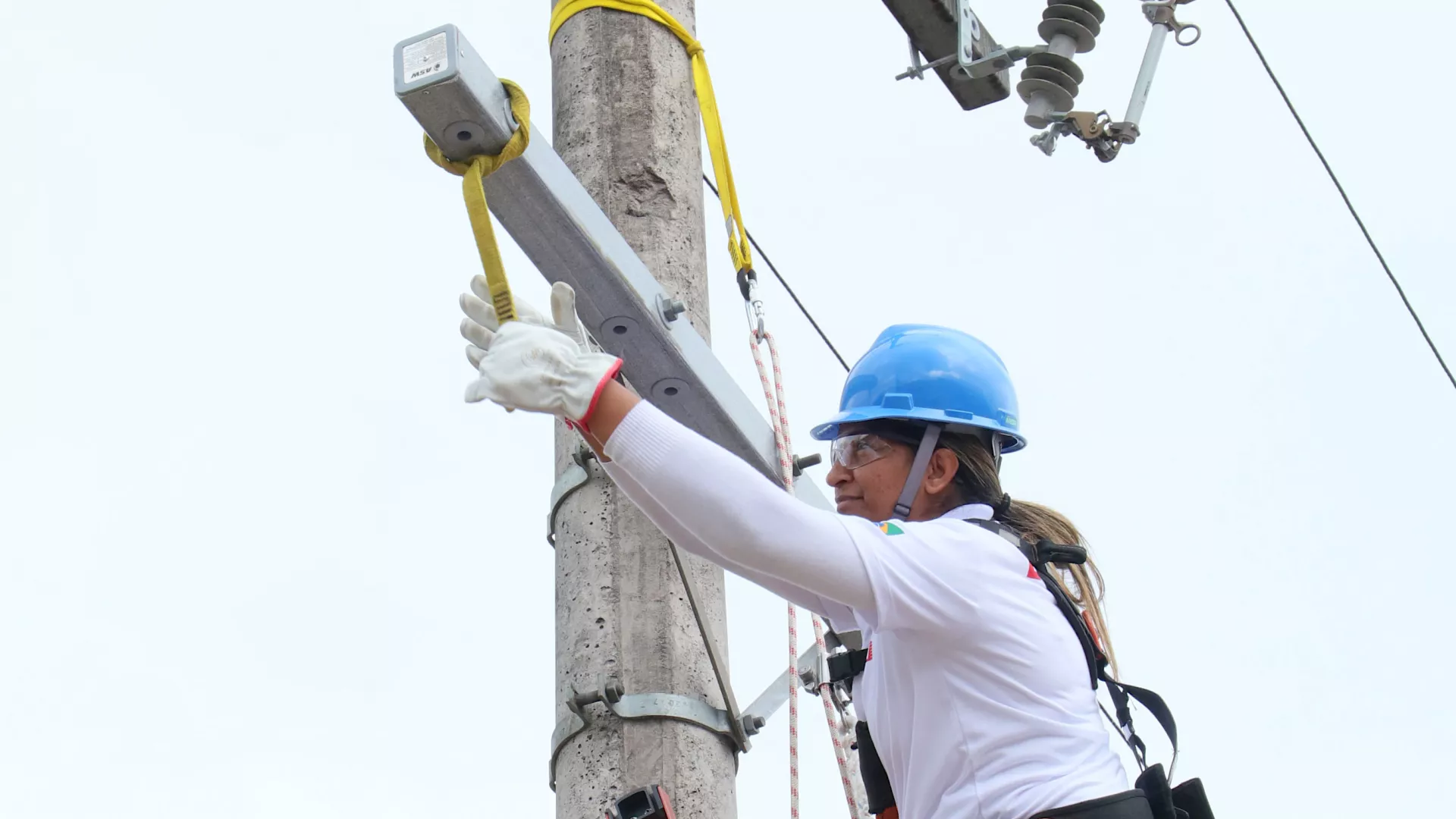
For generations, the electrical trade, like many skilled trades, has been predominantly a male domain. Stereotypes and societal expectations often steered women away from roles perceived as physically demanding or technically complex. However, a quiet revolution is underway: women are increasingly electrifying the industry, breaking barriers, shattering stereotypes, and proving that skill, precision, and dedication know no gender.
The presence of women in electrical works is not just a matter of equality; it’s a strategic advantage for an industry facing a significant skilled labor shortage. As experienced electricians retire, there’s a growing need to attract diverse talent to fill these crucial roles. Women represent an untapped pool of potential, bringing unique perspectives, problem-solving approaches, and a meticulous attention to detail that can elevate the entire field.
One of the most compelling aspects of this shift is how women are challenging preconceived notions about strength and capability. While electrical work can be physically demanding, modern tools, safety protocols, and smart techniques often prioritize skill and intelligence over brute force. Women are demonstrating their proficiency in everything from intricate wiring installations in residential settings to complex industrial control systems and large-scale solar panel arrays. Their success underscores that technical aptitude and a strong work ethic are the true prerequisites for excelling in this field.
Beyond the practical skills, women are also contributing to a more inclusive and diverse workplace culture. Their presence can foster environments that are more collaborative, communicative, and respectful. By diversifying the workforce, companies can also tap into a broader range of insights, leading to more innovative solutions and a better understanding of diverse client needs. This is particularly relevant as the industry evolves to meet the demands of smart homes, renewable energy, and advanced automation.
However, the path is not without its challenges. Women entering the trades may still encounter biases, lack of female mentors, or workspaces not traditionally designed with them in mind. That’s why support networks, mentorship programs, and proactive company policies are vital to ensure their success and retention. Training institutions and apprenticeship programs are also playing a crucial role by actively recruiting women and creating welcoming learning environments.
The impact of women in electrical works extends beyond the job site. Each woman who chooses this career path becomes a role model, inspiring younger generations to consider non-traditional roles and pursue their passions regardless of gendered expectations. They are demonstrating that a career in the trades offers excellent earning potential, job security, and the immense satisfaction of building and maintaining the infrastructure that powers our modern world.
As the demand for skilled electricians continues to grow, welcoming and empowering women into the electrical trade is not just the right thing to do; it’s the smart thing to do. Their contributions are invaluable, helping to bridge the skills gap, innovate practices, and ultimately, power progress for the entire industry. The future of electrical work is bright, and it’s increasingly being illuminated by the talent and dedication of women.